Spring: clear and check
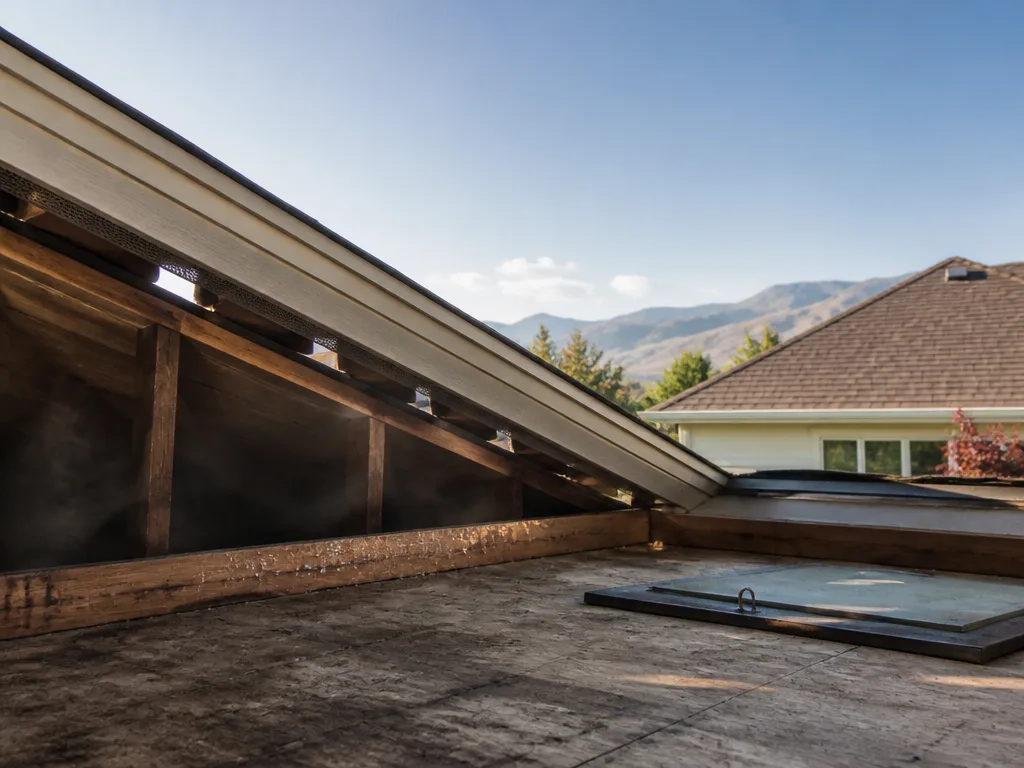
As Idaho thaw begins, vents and soffits can collect debris from winter storms. Start with a clean sweep along the roof edge and in attic access areas. Make sure soffit vents aren’t blocked by fallen leaves or insulation. A clean intake path helps the whole system breathe easier all year.
Inside the attic, look for condensation patterns and ensure insulation doesn’t cover vent openings. Proper insulation around the vent intake keeps warm air from leaking where it shouldn’t.
Summer: monitor heat flow
Hot Idaho summers push attic temperatures up. If you notice ceiling warmth or increased humidity, it may be time to revisit exhaust capacity. A well-balanced system keeps heat moving out and cool air circulating. If you’ve added attic fans or other cooling devices, make sure they don’t interfere with the natural airflow.
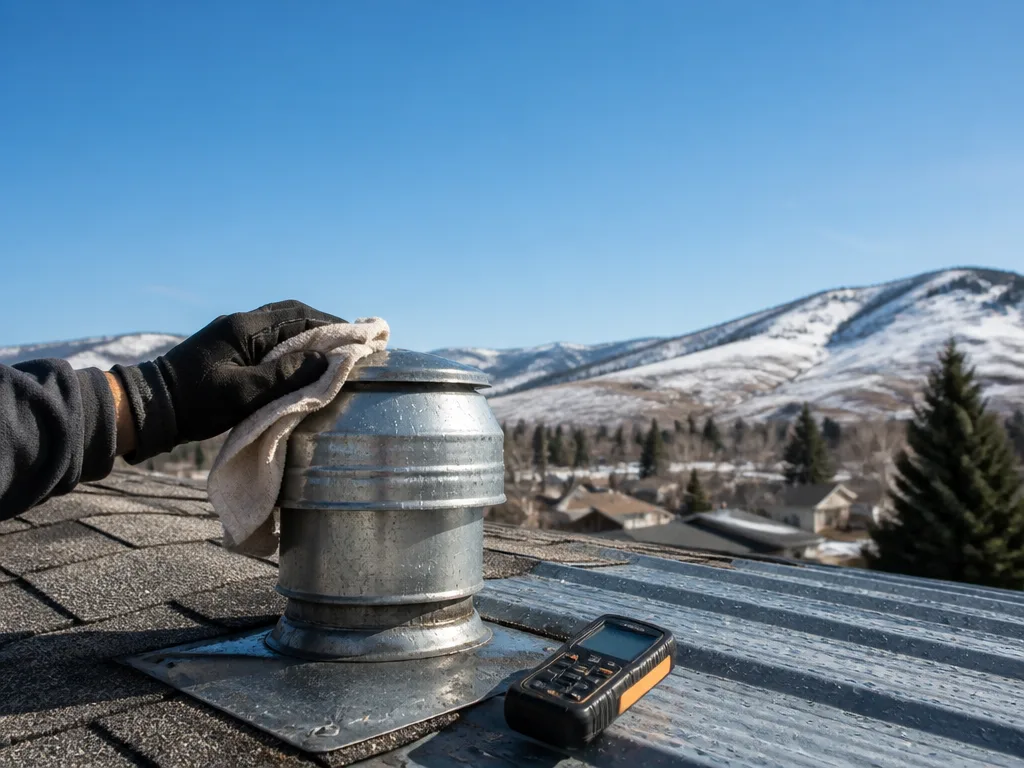
On the roof, remove any debris from vents and confirm caps are intact. A simple check now can prevent moisture damage later in the year.
Fall: prep for storms
Autumn storms bring wind and hail in many parts of Idaho. Inspect vents for damage after storms and reseal penetrations where needed. Clear any accumulation near vent openings and look for signs of wind-driven moisture near the attic floor.
Winter: guard against moisture and ice
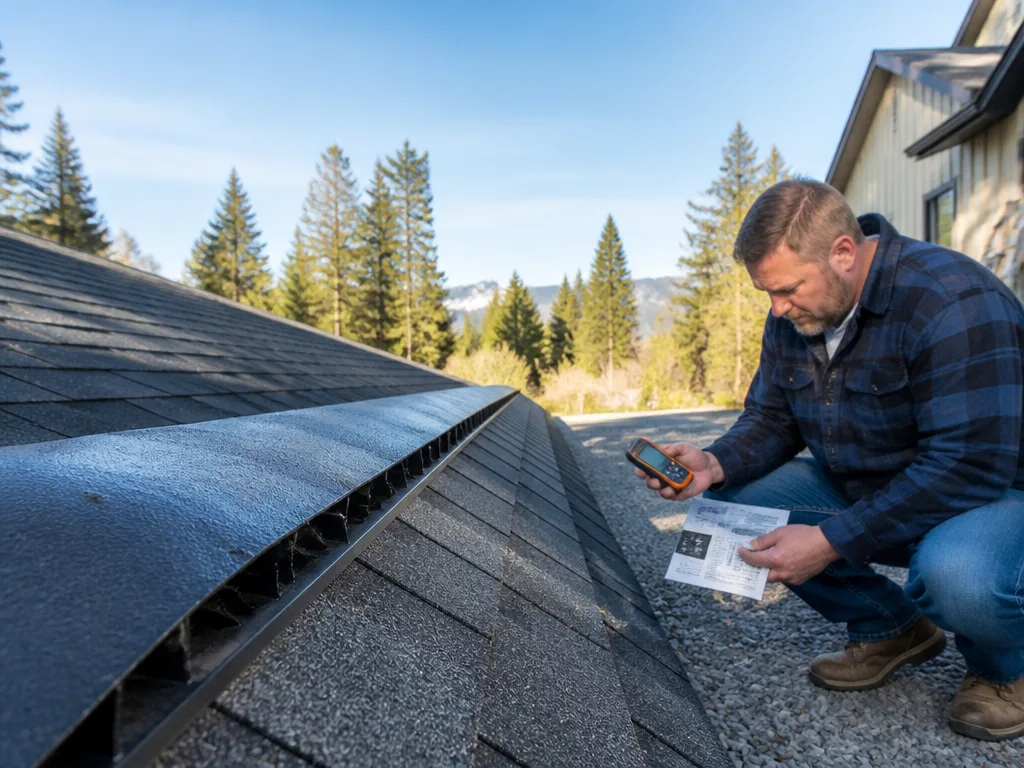
In Idaho winters, ensure attic vents aren’t blocked by snow buildup or ice dams. Keep a clear path for air to move from soffits to ridge vents. If you see frost on attic surfaces or icicles along the eaves, it can signal vent problems. Addressing these early protects the roof deck and reduces the risk of rot.
Year-round, maintain a steady balance between insulation and ventilation. Idaho Roof Ventilation can help you tune the system so it works through every season and every corner of Idaho.