Spotting the signs early
Across Idaho, roof vents and attic spaces work together to move heat and moisture out of the home. When that balance breaks, you’ll notice it in small, practical ways. Keep an eye on attic temperatures, visible condensation, and unusual cool or hot spots on the ceiling below. A few telltale indicators show up before more serious damage occurs.
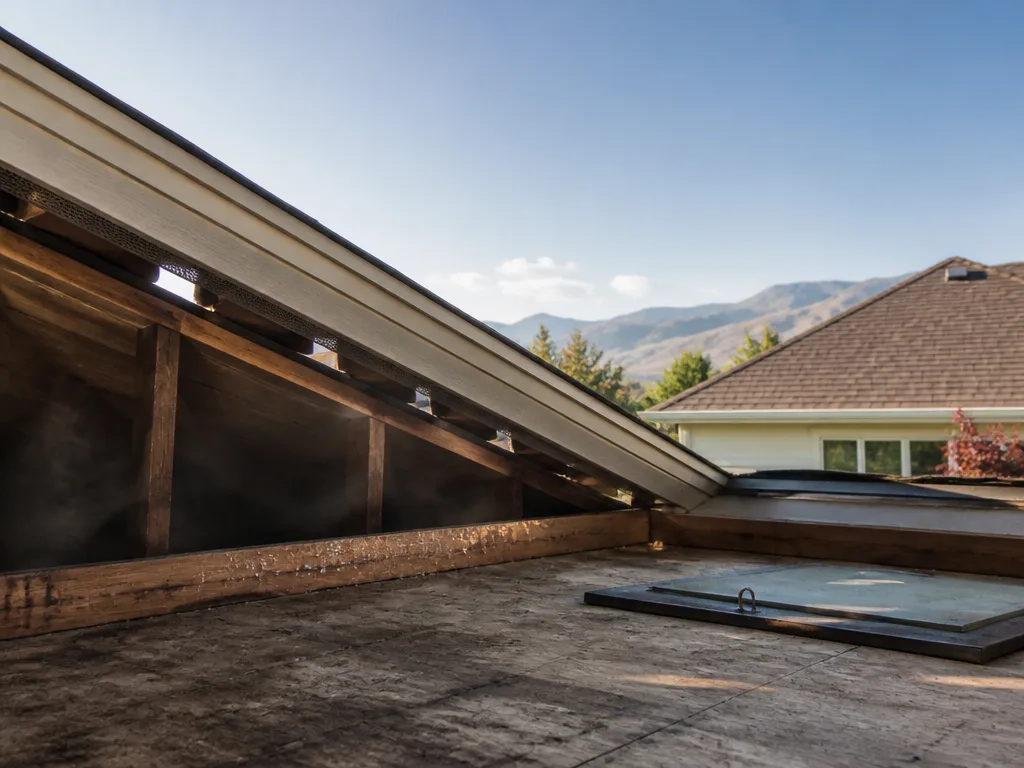
First, look for warm or unusually humid air in the attic after a sunny day. If you feel heat near the attic access or see humid air currents, it can signal restricted airflow. In winter, frost or ice forming along eaves or attic rafters can indicate poor venting. In Idaho homes, sustained moisture can lead to mold or wood rot if left unaddressed.
Signs you should call a roofer
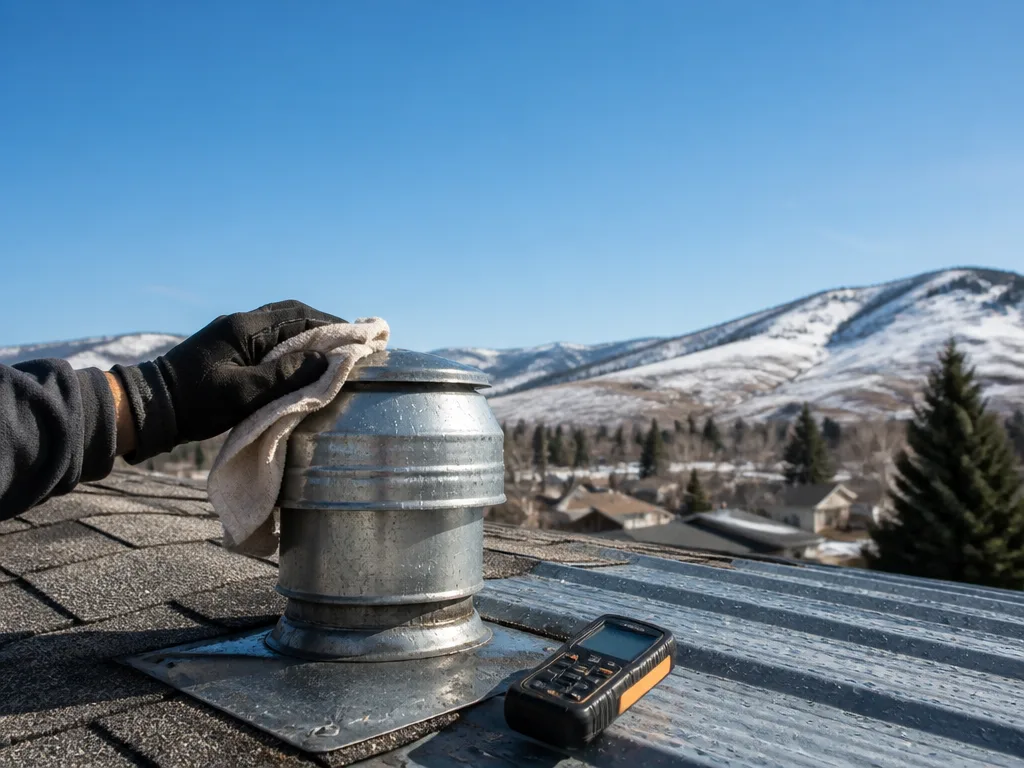
If you notice alternating attic temperatures, persistent icicles forming from the eaves in cold weather, or damp rafters with a musty smell, it’s time to talk to a roofer. Our team at Idaho Roof Ventilation will assess the overall venting pattern and check for blocked soffit vents, undersized ridge vents, or gaps around exhaust vents. We look for signs that heat and moisture are not escaping the attic as they should.
Don’t wait for water staining on ceilings to appear. By the time you see a stain, there may be hidden damage in the decking or rafters. Idaho crews cover the whole state and can schedule a careful inspection that considers your home’s design and the local climate.
What a proper inspection covers
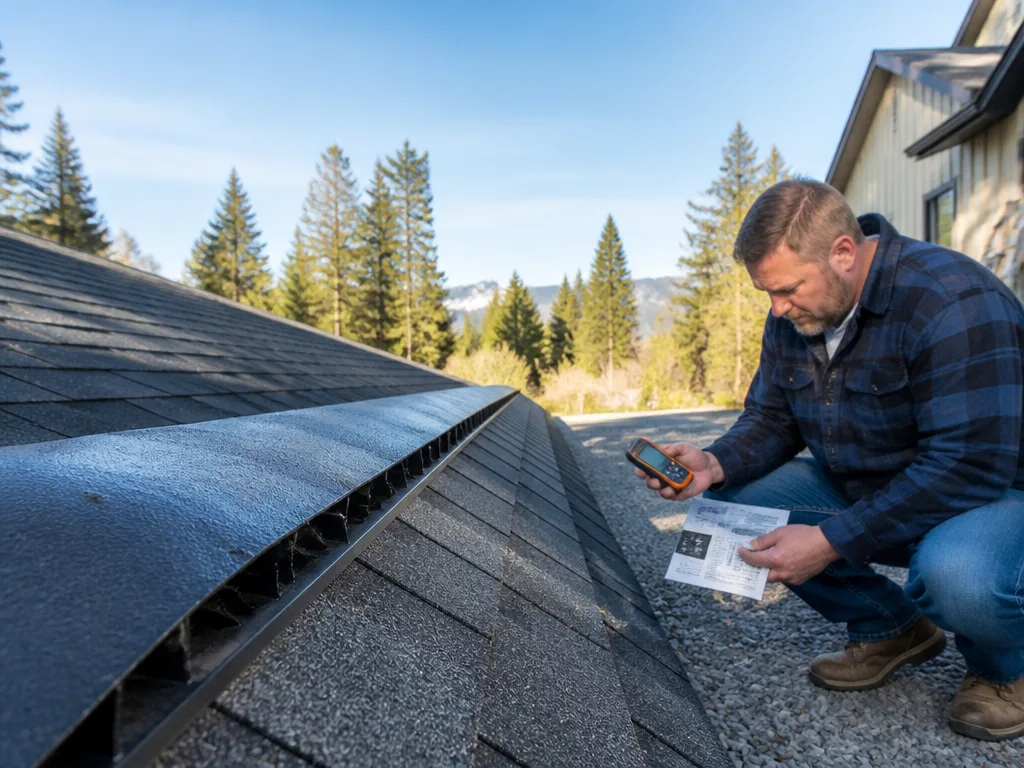
A thorough check starts at the outside and moves inside. We verify vent placement, confirm vent types, and measure for adequate intake and exhaust balance. Inside, we inspect attic insulation, look for condensation, and check for signs of trapped heat. The goal is to map airflow paths and identify where adjustments or new components are needed, not to promise a quick fix.
After the inspection, you’ll receive a clear plan with options that fit Idaho homes. Whether it’s adding more intake vents, upgrading exhaust points, or sealing around exterior penetrations, the changes are designed to improve overall efficiency and reduce risk across the state.
Practical next steps
If you’re unsure, start with a no-pressure phone consultation with Idaho Roof Ventilation. We’ll outline the likely causes based on your description and schedule a full assessment across Idaho. A good rule of thumb is to check vents at the perimeter and ensure a clean, unobstructed airflow path. Keep pull-down ladders or storage to a minimum near vents so airflow isn’t blocked by clutter.
- Note any visible frost on attic surfaces during winter
- Observe attic temperatures on hot days
- Record any musty smells or moisture on rafters